
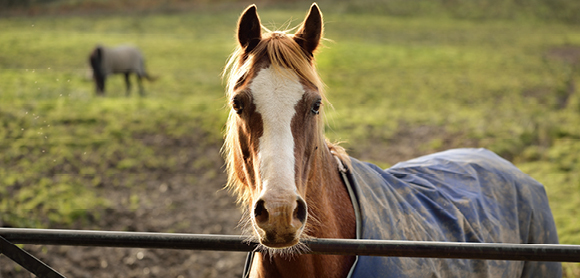
Avoiding weight loss before spring
Winter can take a toll on your horse’s condition. Learn how to spot the early signs of weight loss, manage feeding and exercise, and keep your horse in the best possible condition until spring arrives.
As winter progresses, many horse owners find themselves anxiously watching their horse’s condition.
What starts as a slight dip in the flanks or less coverage over the ribs can quickly develop into horse weight loss by late February. By then, it’s far harder to regain condition – especially as temperatures remain low and turnout is limited for the next couple of months.
Maintaining a healthy body condition through the coldest, leanest months isn’t just about appearance. Horse weight loss can affect immune function, thermoregulation and overall wellbeing. In older or already lean horses, recovery can take weeks, so prevention is far easier than cure.
Preventing horse weight loss through winter is about awareness and small, consistent actions, and knowing what your horse needs before the coldest months take their toll. With attentive management and early action, most horses can maintain a healthy weight right through to spring, ready to enjoy the first flush of fresh grass, rather than playing catch-up.
Why winter weight loss happens
Understanding the causes of weight loss in horses is key to preventing it. Horses are designed to adapt to seasonal fluctuations, storing energy through the summer when grass is rich and drawing on those reserves when grazing quality declines. But modern horse management – including stabling, rugs, reduced turnout and restricted forage – can easily disrupt that natural rhythm.
By late winter, the cumulative effects of poor grazing, cold stress and lower-calorie forage begin to show. Hay or haylage made from late-cut or rain-damaged grass can contain significantly fewer nutrients than the same volume of early-cut hay or haylage. Horses also expend more energy just to stay warm, particularly in exposed fields or when temperatures dip below freezing.
If a horse shivers or uses muscle energy to maintain warmth, that’s a constant calorie drain. By February, those small daily deficits can add up to a visible loss in condition.
Spotting the early signs of weight loss
Thick winter coats and rugging can hide a lot, so it’s easy to miss the early signs of horse weight loss. By the time ribs or hips are clearly visible, a horse may already have lost a significant amount of body fat and muscle mass. Subtle warning signs to watch out for are:
-
The girth or rug feeling looser than usual.
-
A sharper spine or croup when you run your hand along the back.
-
Hollows developing behind the shoulders or around the withers.
-
A duller coat or drop in energy levels.
-
Decline in hoof condition.
Regular hands-on checks are invaluable. Feel, don’t just look, and use a weight tape or condition scoring chart every few weeks to track gradual changes before they become a problem.
If you’re tech-minded, there are even apps that track weight over time – a great way to monitor subtle seasonal shifts.
Feeding strategies for winter
For lean types, the goal is to maintain condition steadily through to spring, avoiding the uphill battle of regaining lost weight just as the weather turns. For good-doers, careful management prevents them tipping into obesity when the spring grass arrives.
The foundation of any winter-feeding plan is good-quality forage. Horses need a minimum of 1.5% of their ideal bodyweight in forage per day, so if their grazing is poor or they’re stabled more during winter, they will need additional hay or haylage.
If your horse is prone to losing weight:
-
Feed little and often – horses digest fibre best through continuous access.
-
Add high-fibre, high-calorie feeds such as unmolassed beet pulp, alfalfa chaff or grass nuts.
-
Use oil-based calories, such as linseed or rice bran oil, to boost energy without increasing starch.
-
Soak feeds if teeth or chewing ability are an issue, particularly in older horses.
For horses that tend to gain weight easily, the challenge is the opposite – preventing excess condition without leaving them short of nutrients. Winter can still be a risk period for laminitic or overweight horses if they are rugged and being supplemented with too much hard feed. Lower-calorie hay will keep the gut working without excessive energy intake.
Balancing exercise and condition
Winter can make regular exercise tricky, but movement is still vital. Exercise supports digestion, circulation and joint health.
For lean horses, it’s about maintaining muscle rather than burning calories. Think gentle hacks, schooling or groundwork focused on suppleness and core strength rather than intensity. For overweight horses, controlled winter exercise helps manage condition safely before the lush spring grass arrives.
Finding the right balance is key. Keep your lean horse active enough to stay strong, but don’t overwork one that’s already struggling to hold weight.
Managing the environment
Environmental management can make or break your winter feeding plan. Small details, like rug fit or shelter, can influence calorie use just as much as feed choice. Simple tweaks can make a big difference:
-
Provide shelter or windbreaks in exposed fields.
-
Check rugs daily – too much layering can cause sweating, and not enough can cause wasted energy regulating body temperature.
-
Ensure constant access to fresh water – horses drink less when it’s cold, which can impact digestion and appetite. Adding warm water or soaking feeds can encourage intake in cold weather.
-
Place feed on the ground to encourage a natural grazing posture, good for musculoskeletal, respiratory and digestive health.
-
Where grazing is limited, rotating turnout or using track systems can help keep horses moving while controlling intake for those that gain easily.
When weight loss signals something more
Not all horse weight loss is simply down to weather or forage quality. Any horse losing weight despite an adequate diet deserves a closer look.
If you notice your horse is dropping condition, it’s always best to consult your vet. This is particularly important if the weight loss is unusual for your horse, occurs rapidly or if your horse is not eating properly. Causes of weight loss in horses could be stress, pain or dental issues.
Additionally, conditions such as malabsorption, worm burdens or gut parasites, hormonal conditions such as Cushing’s (PPID) or equine metabolic syndrome (EMS) could also be responsible. A vet check to assess teeth, run worm counts or investigate metabolic function can help rule out deeper problems.
Health issues or accidents can quickly complicate winter management, so adequate insurance means treatment is likely to be covered if something unexpected occurs.
Found this article useful? Want to see more similar content and engage with like minded horse owners, Follow us on Petplan Equine's Facebook page.