
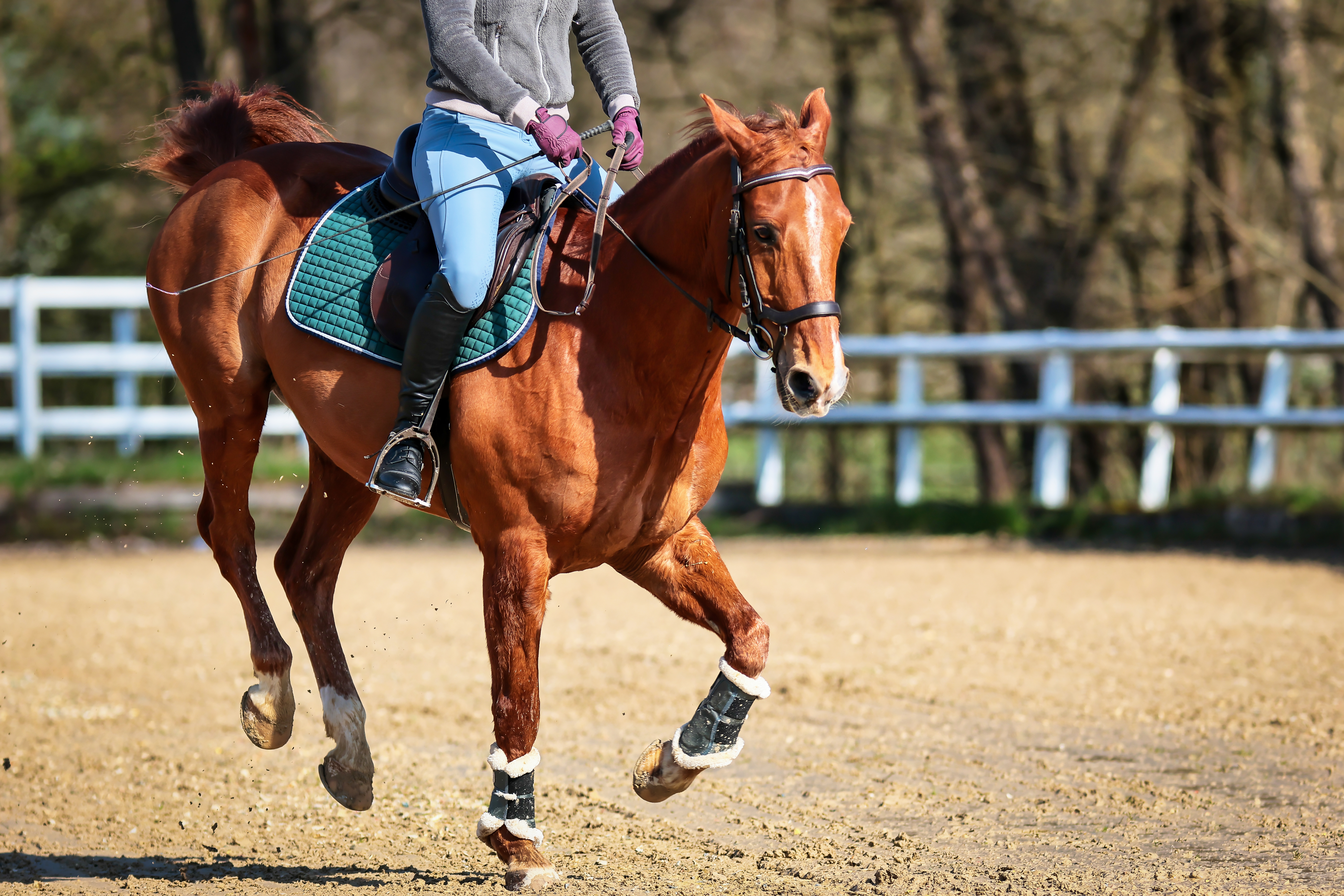
When ‘naughty’ behaviour is actually communication
What looks like bad behaviour in horses is often your horse trying to tell you something. From discomfort to confusion, understanding the cause is the first step towards lasting horse behaviour improvements.
Most horse owners will recognise the tell-tale moments: pulling faces when the girth is tightened, refusing to stand still at the mounting block, or napping at the yard gate. But while these actions are often labelled as ‘bad’ behaviour in horses, that can oversimplify what’s really going on.
Horses do not misbehave out of malice or spite. What we call naughtiness – stubbornness, refusing to move, or rearing and bucking – is almost always a form of communication, signalling an underlying issue such as pain, confusion or fear.
Before implementing a training fix, it’s worth looking into what your horse is trying to tell you.
What does abnormal behaviour in horses look like?
To spot a problem, it helps to know what’s typical. Normal horse behaviour is generally consistent and relaxed. A comfortable, healthy horse will have a soft expression, relaxed muscles, and be willing to move forward, both on the ground and under saddle.
Common examples of abnormal behaviour in horses include:
- Biting, kicking or pinned ears when being handled
- Resistance when being tacked up
- Napping or refusing to leave other horses
- Bucking or rearing under saddle
Even slight deviations from normal behaviour in horses can be early indicators of discomfort or stress.
Could it be pain?
Before treating an issue as purely behavioural, one of the most important things to consider is whether your horse is displaying this behaviour due to pain. Because horses are prey animals, their survival instinct is to mask pain, weakness or injury to avoid being targeted by predators. Instead, pain can show up as resistance, tension or a change in attitude.
Signs to watch for include:
- A previously willing horse becoming shut down, reluctant or tense
- Sensitivity when grooming or tacking up
- What looks like aggressive behaviour in horses, such as biting or kicking out
- A drop in performance or willingness to work
Some conditions have particularly recognisable symptoms. For a horse with ulcers, behaviour often includes girthiness, irritability and inconsistent performance – signs that are easy to mistake for a schooling problem.
If you suspect ulcers, speak to your vet about management strategies – a scoping of the stomach may be advised to confirm the presence of ulcers. Dietary changes, reduced stress and appropriate medication can all play a role in both treating and preventing the condition from recurring.
Another significant, often hidden problem that mimics schooling issues or a poor attitude is back pain, specifically conditions like kissing spines. Because these signs can be subtle, any new, sudden or escalating change should prompt a call to your vet before anything else.
Could it be a physical problem?
Physical discomfort is one of the most common causes of bad behaviour in horses. Key areas to check:
- Teeth - dental discomfort can affect acceptance of the bit and general attitude
- Saddle fit - an ill-fitting saddle is a frequent and often overlooked cause of resistance
- Bridle fit - pressure points around the head and poll can cause tension and head-shaking
- Hoof balance and soundness - uneven feet or lameness in general can cause a horse to feel uncomfortable when ridden
Addressing these areas often results in immediate horse behaviour improvements, simply by removing the source of pain or irritation. If you’re unsure where to start, your vet, farrier, equine dentist or a qualified saddle fitter can help identify the issue or eliminate potential causes.
Could it be anxiety or confusion?
Once physical causes have been ruled out, the picture can become more nuanced, because not every unwanted behaviour has its roots in pain or discomfort. Anxious horse behaviour is a frequent factor, particularly in younger or more sensitive horses. A horse that feels unsure may become tense, spooky or reactive – responses that can easily be mislabelled as defiance.
In other cases, confusion may be the root cause. If schooling is inconsistent or aids are unclear, what appears to be bad behaviour in horses may simply be a horse struggling to understand what’s being asked of them. Simplifying your approach, building confidence gradually and allowing enough time for learning can make a big difference.
If physical causes have been ruled out but problems persist, it may be worth seeking a referral to a specialist equine behaviourist – a professional who can assess your horse objectively and design a plan to rebuild confidence and correct ingrained responses.
Could it be a welfare need?
Sometimes, though, the answer is in the daily routine. Daily management is often overlooked, but it has a big influence on horse behaviour. If problems arise, it’s worth auditing the basics:
- Diet - high-energy feeds can contribute to sharp or reactive behaviour, so review ration suitability with your vet or nutritionist
- Turnout - limited time outside can lead to frustration, excess energy or social stress
- Workload - both overwork and under-stimulation can result in abnormal behaviour in horses
Small adjustments in these areas can support real, lasting horse behaviour improvements.
When to call your vet
While many issues can be resolved through management and training adjustments, some will require professional help. If you notice any new, sudden or escalating changes in your horse’s behaviour, especially if they're accompanied by signs of physical discomfort, always seek professional advice sooner rather than later.
Don’t delay if you notice:
- Signs of horse pain behaviour
- Sudden aggressive behaviour in horses
- Symptoms consistent with horse with ulcers behaviour, such as girthiness, sensitivity or resistance to being ridden
Early intervention helps prevent behaviours from becoming more ingrained – and can rule out the need for medical treatment. Having an appropriate insurance policy in place can also provide peace of mind if unexpected veterinary investigations are needed.
Final thoughts
It’s easy to dismiss a horse as naughty, but that label can distract from the real issue. In almost every case, bad behaviour is a response to pain, stress, confusion or unmet welfare needs.
The goal isn’t just to stop the behaviour. It’s to understand what caused it in the first place. By looking at the bigger picture, you give yourself the best chance of identifying the real cause and supporting positive, lasting behaviour improvements for your horse.
Found this article useful? Want to see similar content and engage with like-minded horse owners? Follow us on Facebook Petplan Equine’s Facebook page.