
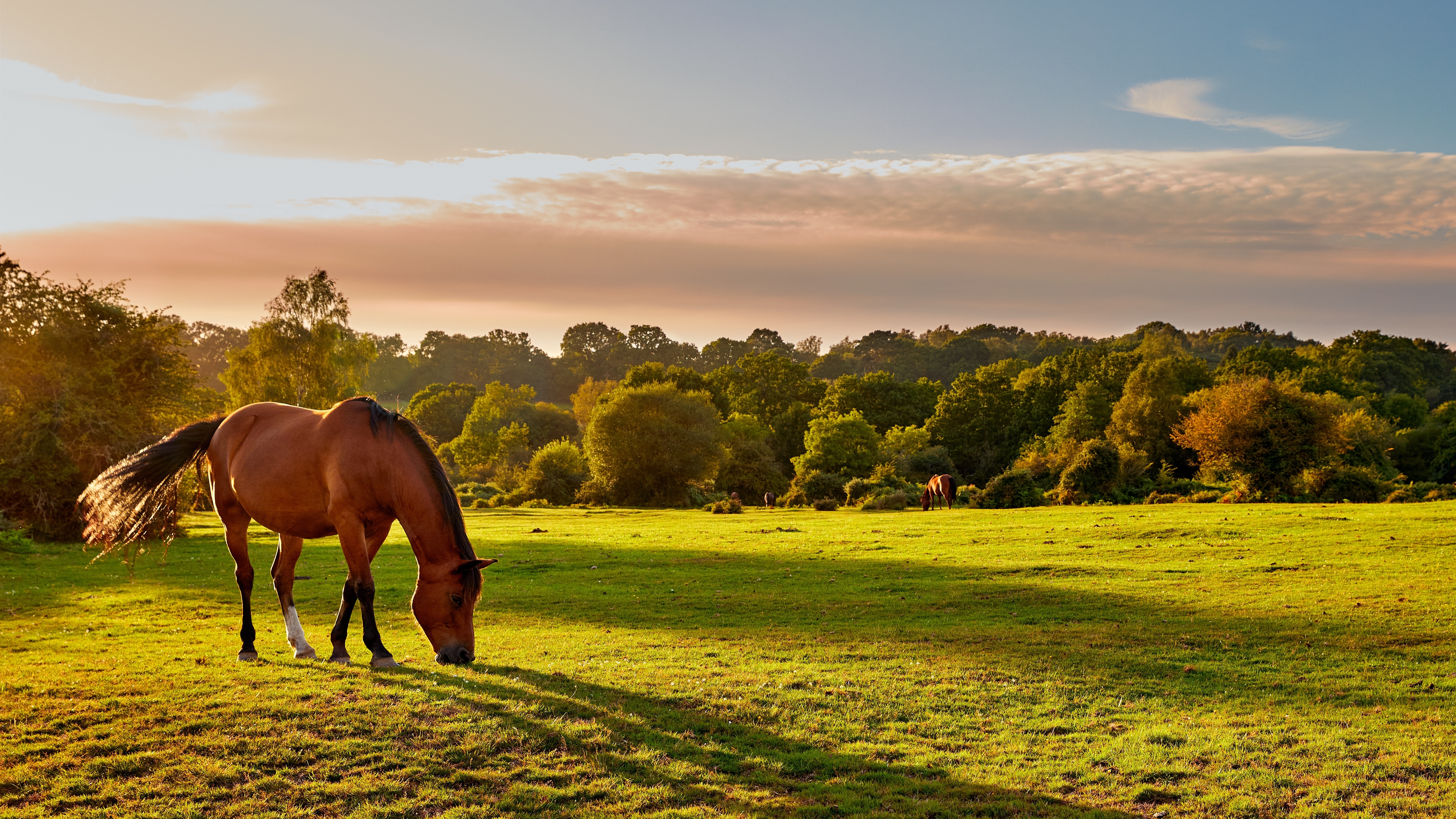
How does the weather affect a horse’s behaviour?
Ever wondered how the weather affects a horse’s behaviour? Discover how seasonal changes, grazing, insects and routines can influence their behaviour, energy levels and wellbeing.
Have you noticed your horse feeling sharper in the autumn, lethargic during the summer or full of beans in the spring? Seasonal changes can have a surprising impact on a horse’s behaviour, mood and energy levels.
While many seasonal changes are perfectly normal, understanding what drives them can help you support your horse and recognise when a behavioural change might signal an underlying health issue.
How does the weather affect a horse’s behaviour?
Weather and seasonal changes can affect horses both physically and mentally. As conditions change throughout the year, horses adapt their behaviour in response to their environment. For example, some horses become more alert and reactive in cooler weather and sluggish or less willing to expend energy in extreme heat.
It’s important to remember that every horse is an individual. Age, breed, temperament, health status and management all play a role in how a horse responds to their environment.
Why do some horses become sharper in spring and autumn?
Many owners report that their horses feel more excitable during spring and autumn.
One reason is changing daylight length. Daylight influences hormone production, including melatonin, which helps regulate biological rhythms. As day length increases or decreases, horses may experience changes in energy levels, behaviour and even appetite.
Autumn can bring challenges as horses adjust to cooler temperatures, changing routines and preparations for winter. Changing weather patterns mean warm weather now often extends well into October, bringing a second flush of rich grass after a summer of slim pickings. Horses clipped as their winter coats come through may also become more reactive or excitable.
As prey animals, horses are naturally alert to potential threats, so a windy autumnal day creating unfamiliar noises and moving objects can make some more likely to spook or become tense.
Similar changes can occur during the spring, when increasing daylight hours, more turnout time, warmer weather and fresh grazing can leave some horses feeling more energetic or playful than usual.
Why does my horse seem sluggish in certain weather?
Not all weather-related behavioural changes involve increased energy. While spring and autumn often bring an increase in energy, hot weather can have the opposite effect.
Hot and humid conditions can leave horses feeling tired and less willing to work. Horses may conserve energy to avoid overheating, resulting in a slower, less responsive way of going.
Winter can also affect a horse’s way of going. Cold temperatures may cause muscles to feel stiffer, especially in older horses or those with underlying joint issues, and less turnout and general movement can further contribute to a horse seeming sluggish.
In many cases, these changes are normal responses to environmental conditions rather than signs of a problem.
Seasonal changes in grazing and diet
Grass quality changes significantly throughout the year. Autumn and spring grazing can contain higher levels of sugars and energy due to more rain and sunshine, which may contribute to increased exuberance in some horses. Conversely, poorer winter grazing may result in weight loss or reduced energy levels if not boosted by forage and hard feed.
Sudden dietary changes can also affect digestive health, which is why gradual transitions between grazing, hay and hard feed are important.
Many owners wonder why horses colic when the weather changes. While weather itself does not directly cause colic, seasonal changes can increase risk factors. For example:
- Reduced water intake during cold weather
- Sudden changes in grazing
- Alterations to turnout routines
- Reduced exercise
- Stress associated with management changes
These factors can all affect digestive function, which helps explain why colic occurs more commonly during seasonal transitions.
Insects, turnout and routine changes
Changes in turnout can also influence behaviour. Horses are creatures of habit, and adjustments to stabling times, field companions or exercise schedules can sometimes trigger stress or mild anxiety. Some horses may become more vocal or clingy, or show signs of separation anxiety when routines change.
During spring and summer, increased insect activity can make some horses irritable, distracted or anxious. Horses that are sensitive to flies may become difficult to catch, reluctant to stand still or generally more reactive under saddle.
What’s normal, and when should you be concerned?
Seasonal fluctuations in behaviour are common. Mild changes in energy levels, appetite or mood are often part of a horse’s natural response to their environment. However, a sudden or dramatic behavioural change should never be dismissed as simply ‘the weather’.
Contact your vet if behavioural changes are accompanied by:
- Weight loss
- Lameness
- Poor performance
- Changes in appetite
- Colic symptoms
- Unusual aggression
- Ongoing lethargy
Underlying pain, gastric ulcers, dental issues, musculoskeletal discomfort or illness can all present as behavioural changes. Also, one hormonal condition that can affect temperament, especially in older ponies and horses, is Cushing’s disease. Cushing’s can cause muscle loss and lethargy in those it affects and is often more obvious in the winter months – fortunately, an effective treatment is available.
How to help your horse through seasonal transitions
Although you can’t control the weather, you can help your horse adapt to changes.
Keep a routine
Horses thrive on predictability, so feed, turnout and exercise should be consistent where possible to reduce stress during seasonal transitions.
Adjust workloads gradually
If your horse has enjoyed a quieter winter or summer break, increase exercise gradually, rather than expecting them to return to previous fitness levels straight away.
Monitor body condition
Regularly assess weight, muscle condition and overall health so changes to feed can be made if needed.
Encourage movement
Adequate turnout and regular exercise help support physical and mental wellbeing throughout the year.
Manage insects
Fly rugs, masks and strategic turnout times may help reduce discomfort during periods of high insect activity.
Watch for signs of discomfort
If behavioural changes seem excessive or out of character, seek professional advice rather than assuming they are weather-related. Your vet can rule out any underlying health issues and advise on the next steps if needed. Being prepared for unexpected illness or injury is all part of responsible horse ownership, and having a good horse insurance in place can help if your horse needs veterinary treatment.
FAQs
Do horses get more energetic in cold weather?
Can weather changes cause colic in horses?
Why is my horse lazy in hot weather?
Can seasonal changes affect a horse’s appetite?
Once you and your horse are fully warmed up, you’re both ready to perform at your best. Don’t forget to cool down after exercise to help prevent stiffness.