
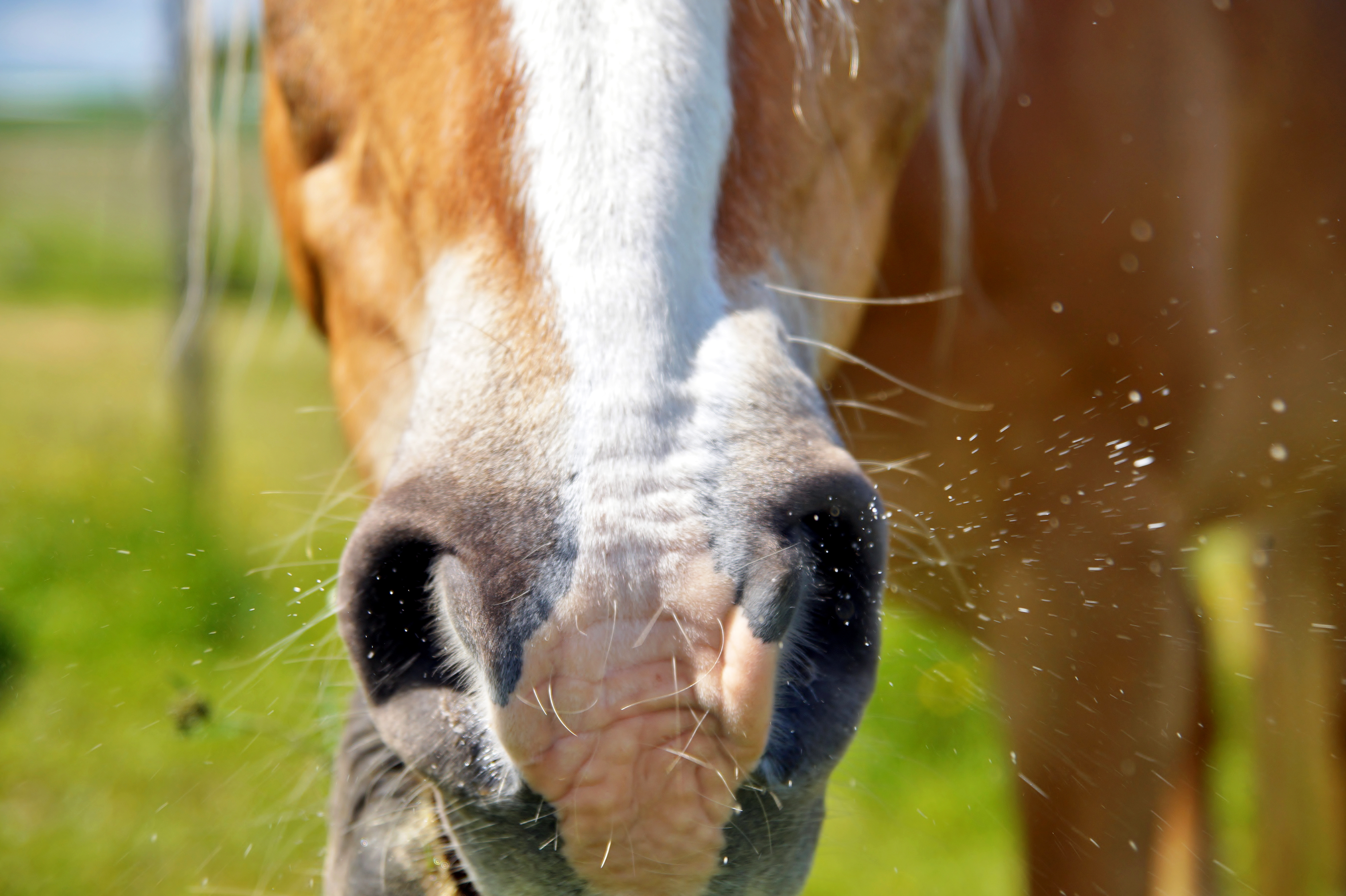
How to spot summer allergies in horses
Allergies in horses can flare up during warmer months, with pollen, insect and pasture triggers causing everything from itchy skin to serious breathing problems.
Allergies are more common than many horse owners realise, and approximately 14% of horses in the Northern Hemisphere suffer from respiratory allergies. This figure may be closer to 20% when accounting for milder, undiagnosed cases.
The warmer months are a prime time for flare-ups. As seasons lengthen due to climate change, knowing what to look for has never been more important. The good news is that although most equine allergies can’t be cured, they can be managed effectively.
What are allergies in horses?
At their simplest, allergies occur when the immune system overreacts to a normally harmless substance in the environment. These triggers can include pollen, dust, mould spores, certain feeds and insect bites. One well-known example is sweet itch, an allergic reaction to bites from midges. In summer, airborne triggers are at their peak, which is why allergies are so prevalent during this season.
Some horses are mainly affected through the respiratory system, while others show signs through the skin. Many experience both, and symptoms can snowball, so a horse with several low-level sensitivities may only show obvious signs when multiple allergens are present at once.
What are summer allergies in horses?
While some horses show mild seasonal symptoms, others develop more serious problems, including a severe respiratory condition known as summer pasture-associated obstructive pulmonary disease (SPAOPD).
SPAOPD – often referred to as ‘summer pasture allergy’ – is a form of horse pollen allergy that affects the airways. Common signs include coughing, wheezing, a thick nasal discharge, head shaking, lethargy, poor performance and watery eyes.
Horses with this condition experience a narrowing of the airways, breathlessness, wheezing and coughing. This forces the horse to work harder to get enough oxygen, which is why even mild cases can quickly affect performance and day-to-day comfort.
Triggers of equine summer allergies
Unlike traditional dust-related conditions, which tend to improve when a horse is turned out, summer allergies in horses are typically triggered by exposure to grasses, trees, weeds and crops, so become worse with turnout.
The main drivers of equine pollen allergies are linked to seasonal plant activity. Flowering crops such as oilseed rape are often to blame from late spring into summer. Grass pollens, weeds, and trees – such as birch and oak – also contribute significantly.
Warm, humid days with a high pollen count tend to exacerbate symptoms, and repeated exposure can lead to increased sensitivity. This is why some horses appear to develop allergies despite no apparent change in circumstance or environment.
Signs and symptoms of allergies in horses
The symptoms of allergies in horses vary, depending on whether the respiratory system or skin is affected, but both forms can significantly impact wellbeing.
Respiratory summer allergies
In cases of horse pollen allergy or SPAOPD, respiratory signs are the most obvious. Horses may breathe more rapidly or with greater effort, showing flared nostrils and a reduced tolerance for exercise. They can tire quickly due to reduced oxygen intake, and some will cough or wheeze.
In more severe cases, particularly in older horses or those with underlying conditions, an episode can resemble colic. Horses may appear visibly uncomfortable, sweat excessively and show reddening of the nostrils, gums and inner eyelids. Symptoms can be worse in the evening after a day of high pollen exposure.
Look out for:
- Laboured or rapid breathing
- Flared nostrils and reduced performance
- Coughing or wheezing
- Itching, rubbing or hair loss
- Lethargy or distress in severe cases
Contact and skin allergies
Although respiratory allergies are the most serious, horses can also react to contact allergens – e.g. rug materials, clipper oil, rubber, certain bedding or products such as fly sprays and shampoos. These equine skin allergies typically present as irritation or hives.
Alongside this, equine skin allergies may also flare up. These typically present as itching, rubbing, hair loss or raised lumps. While they are distinct from respiratory disease, they can significantly affect a horse’s comfort and wellbeing. Sweet itch, caused by an allergic reaction to midge saliva, is one of the most common and recognisable equine skin allergies to flare up during the summer months.
Food sensitivities
Food intolerances, though less common, are also worth considering if a horse shows persistent digestive upset or skin reactions with no obvious environmental cause.
Equine allergy treatment and management
Although allergies in horses cannot be cured, they can usually be managed effectively with the right approach.
For summer pasture-associated respiratory allergies, veterinary treatment is key. Many horses benefit from inhaled steroids delivered directly to the lungs using special masks or nebulisers. This equine allergy medicine helps to reduce inflammation and prevent airway restriction. Bronchodilators may also be prescribed as part of a wider equine allergy treatment plan.
Alongside equine allergy medication, stable management changes can make a significant difference. Bringing horses into a cool, well-ventilated stable during periods of high pollen can help, as can avoiding exercise during the hottest parts of the day and closely monitoring field conditions. Turning out at night and stabling during the day is one way to achieve this.
Unlike in humans, antihistamines have limited and inconsistent evidence in horses, and most vets no longer recommend them as a primary treatment. They may occasionally be used as a short-term measure, but inhaled medication and management changes are a more reliable approach.
Some owners use equine allergy supplements to support their horse’s immune function and overall health. Research suggests omega-3 fatty acids may help reduce allergic inflammation, but any supplement should complement veterinary-led equine allergy treatment rather than replace it.
Reducing the risk of summer allergies in horses
While it isn’t always possible to prevent summer allergies in horses, careful management can reduce the severity and frequency. Monitoring pollen forecasts, adjusting turnout routines and maintaining good overall health all play a role.
It’s also important to investigate any underlying issues. Conditions such as Cushing's disease, poor nutrient absorption or parasite burdens can increase susceptibility to allergies in horses and addressing these can improve resilience.
When to call the vet
Any signs of breathing difficulty should be taken seriously. If your horse is struggling to breathe, appears distressed or shows a sudden worsening of symptoms, veterinary attention is essential.
It’s also worth asking your vet about allergy testing. Two main options exist: intradermal testing, where small amounts of allergens are injected into the skin to observe reactions, and blood testing, which looks for antibodies to specific triggers. Both can help build a clearer picture and make your management plan more targeted.
Summer allergies in horses, particularly pollen-related respiratory conditions, are becoming increasingly common. However, with early recognition and appropriate management, most horses can remain comfortable and active throughout the warmer months.
Found this article useful? Want to see similar content and engage with like-minded horse owners? Follow us on Facebook Petplan Equine’s Facebook page.